



NEWS CENTER
Understanding Polyethylene Road Base Plates: Versatile Solutions in Modern Infrastructure
Release time:
2024-12-21
Polyethylene road base plates are essential components in various construction and infrastructure projects, particularly in the chemical and plastic industries. Composed of high-density polyethylene (HDPE), these plates offer a unique combination of strength, flexibility, and resistance to environmental factors, making them a preferred choice for engineers and contractors alike. One of the primary
One of the primary advantages of polyethylene road base plates is their durability. Unlike traditional materials, HDPE does not crack or become brittle over time, even under extreme weather conditions. This resilience is particularly important for construction projects that require materials to withstand heavy loads and frequent use. Furthermore, polyethylene is resistant to many chemicals, ensuring that the road base plate can maintain its structural integrity even in challenging environments.
In addition to their robustness, polyethylene road base plates are lightweight compared to other materials like concrete or steel. This feature simplifies transportation and installation, reducing labor costs and project timelines. The lightweight nature of these plates allows for easier handling, which is essential in busy construction sites, leading to increased efficiency and productivity.
Moreover, polyethylene road base plates are engineered to be environmentally friendly. They can be manufactured from recycled materials, promoting sustainability in construction practices. Additionally, the long lifespan of these plates means that they do not need to be replaced as frequently, further minimizing environmental impact and waste.
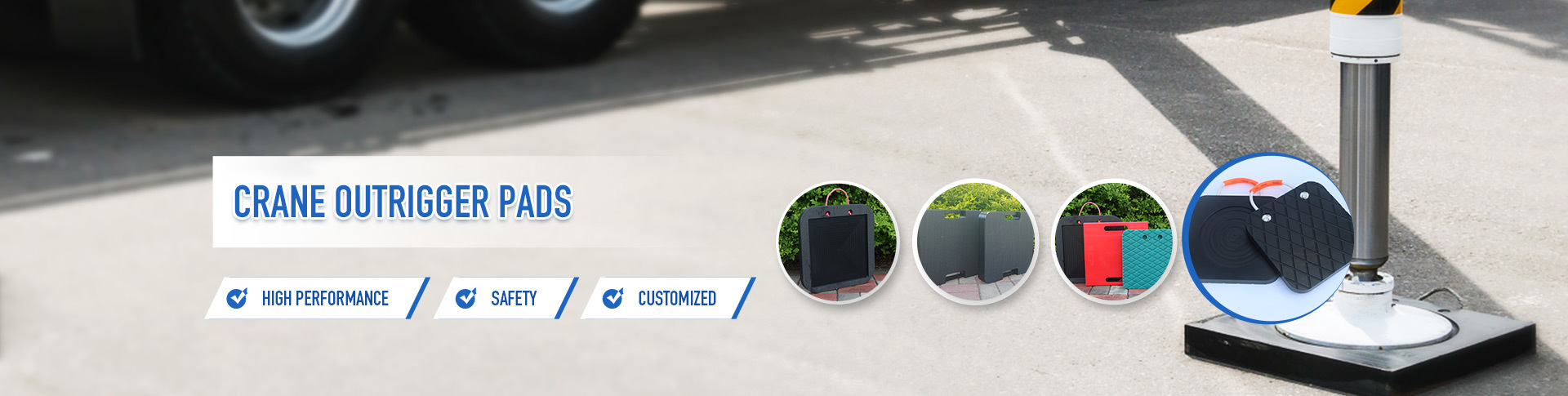
Polyethylene road base plates are versatile and can be used in various applications. They are commonly found in temporary roadways, construction sites, and even in event spaces where stable ground is necessary to support heavy machinery or foot traffic. Their ability to distribute weight evenly helps prevent ground deformation, making them ideal for soft or unstable soil conditions.
Another noteworthy feature of polyethylene road base plates is their ability to be customized. They can be manufactured in various sizes, thicknesses, and colors to suit specific project requirements. This customization enables engineers and designers to optimize their use, ensuring that the plates fit seamlessly into the overall design of the infrastructure.
In conclusion, polyethylene road base plates represent a significant advancement in construction materials, offering unparalleled durability, lightweight handling, and environmental benefits. Their versatility makes them an essential choice across various applications in the chemical and plastic industries. As the demand for sustainable and efficient construction solutions continues to grow, polyethylene road base plates are poised to play an increasingly vital role in shaping modern infrastructure.
Related news




Dezhou Qiyuan Plastics Co., Ltd
Address: Wuyou Road, Lingcheng District, Dezhou, Shandong Province, China 253500
Telephone: 86-0531-83286118
Mobile Phone: 18563707757 (Ms. Alice Zhou)
E-MAIL:sales@qyplastics.com


-Follow mobile site-
Copyright © Dezhou Qiyuan Plastics Co., Ltd